Patient Portal
 Provider PORTAL

Website Search




If you are researching everything you need to know about ultrasound before your upcoming scan, you have come to the right place. Ultrasound imaging is one of the most widely used diagnostic tools in modern medicine, offering a safe, non-invasive way to visualize soft tissues, organs, and blood flow inside the body. Whether your physician has referred you for an abdominal scan, a vascular study, or another type of exam, understanding how ultrasound works and what to expect can help you feel more confident walking into your appointment. Patients in Ada, MI and throughout the greater West Michigan area can access ultrasound services at an independent, outpatient imaging center focused on delivering timely, accurate results. To learn more or schedule your scan, call for details.
What Ultrasound Is and How the Technology Works
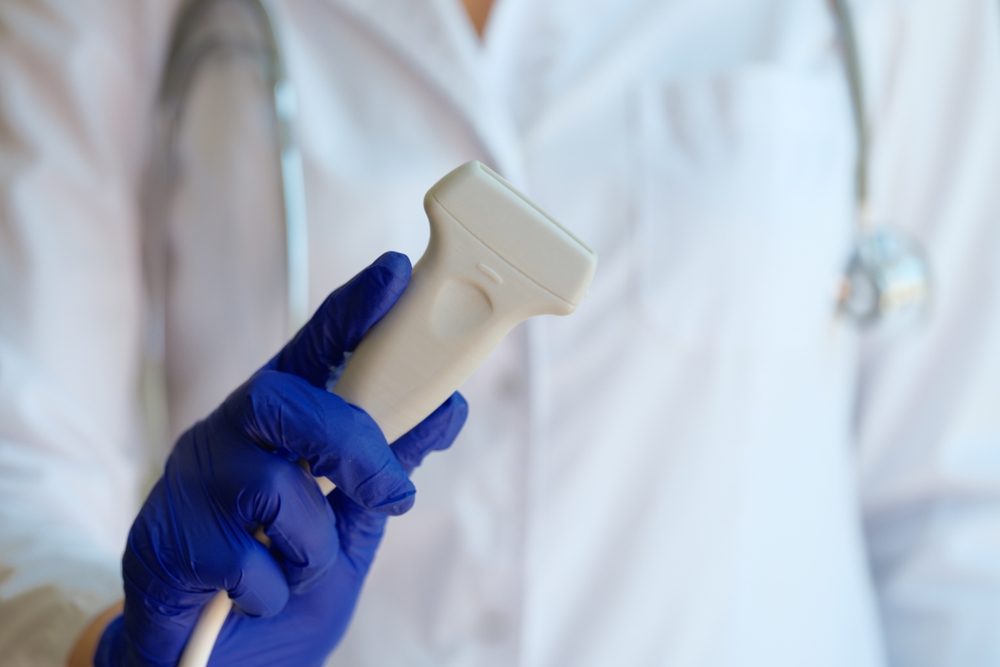
Ultrasound imaging, also called sonography, uses high-frequency sound waves to create real-time images of structures inside the body. A small handheld device called a transducer emits sound waves that travel through tissue. When those waves bounce back, a computer converts the returning echoes into a visual image on a monitor. No radiation is involved in this process, which makes ultrasound a preferred option for many clinical situations.
What Ultrasound Can Evaluate
Ultrasound may help providers assess a broad range of anatomical structures and conditions. Common uses include evaluating the liver, gallbladder, kidneys, thyroid, and pelvic organs. Vascular ultrasound can assess blood flow through arteries and veins. Musculoskeletal ultrasound may help evaluate tendons and soft tissue. Obstetric ultrasound is routinely used during pregnancy to monitor fetal development. Your referring provider will specify which type of exam is appropriate for your situation.
How Ultrasound Compares to Other Imaging Modalities
Ultrasound is one tool among several available at a full-service diagnostic imaging center. When soft tissue detail or blood flow evaluation is the priority, ultrasound is often well-suited. For concerns requiring cross-sectional imaging of bone structure or complex anatomy, your provider may recommend a CT scan in Grand Rapids or an MRI instead. Understanding everything you need to know about ultrasound also means knowing when another modality may be more appropriate, a determination your care team will guide you through.
Everything You Need to Know About Ultrasound Preparation and What to Expect
Preparation for an ultrasound exam varies depending on the specific type of study ordered. For abdominal ultrasound, most patients are asked to fast for several hours before the appointment to minimize gas in the digestive tract, which can interfere with image quality. Pelvic ultrasound often requires a full bladder. Other studies, such as thyroid or vascular ultrasound, typically require little to no preparation at all. Your scheduling team will provide specific instructions at the time of booking.
During the Exam
During your appointment, a trained sonographer will apply a water-based gel to the skin over the area being examined. The transducer is then moved gently across the skin surface. Most patients find ultrasound exams well-tolerated, and the process is generally completed within 30 to 60 minutes depending on the complexity of the study. You will be able to breathe normally throughout, and no injections are required for standard ultrasound exams.
After Your Scan: Results and Next Steps
Following your exam, images are reviewed and interpreted by board-certified radiologists who specialize in diagnostic imaging. At our center, results are communicated to your referring provider in a timely manner so your care team can take appropriate next steps. For patients who want to review their imaging history or access reports, our patient portal options make that process straightforward. Individual results and diagnostic findings vary based on each patient’s unique clinical picture.
Common Questions Patients Have About Ultrasound Safety and Accuracy
Safety is one of the most frequent concerns patients raise when researching everything you need to know about ultrasound. Because ultrasound relies on sound waves rather than ionizing radiation, it does not carry the same radiation exposure considerations associated with X-ray or CT imaging. This characteristic makes it a commonly selected modality during pregnancy, though the decision to use any imaging study is always made by your healthcare provider based on clinical necessity.
Is Ultrasound Accurate?
Ultrasound is a highly capable diagnostic tool when performed by skilled sonographers and interpreted by experienced radiologists. Like all imaging modalities, its effectiveness depends on the quality of the equipment, the expertise of the technologist performing the exam, and the skill of the radiologist reading the images. Accreditation by recognized bodies helps ensure that equipment and protocols meet established standards. For patients comparing imaging options, our medical imaging services in Grand Rapids page outlines the full range of studies available.
When a Follow-Up Scan May Be Recommended
In some cases, a radiologist’s report may suggest follow-up imaging to monitor a finding over time or to evaluate it with a different modality. This is a normal part of the diagnostic process and does not necessarily indicate a serious finding. Your referring provider will review your results and guide any recommended next steps. Patients with questions about insurance coverage for follow-up studies can review our payments and insurance information before their appointment.
Why Choose The Imaging Center in Ada, MI and West Michigan?
Patients in Ada, MI and the surrounding West Michigan region have access to a convenient, independent outpatient imaging center that prioritizes efficiency, accuracy, and a patient-centered experience. Because we operate outside of a hospital system, our patients typically benefit from lower costs and faster scheduling, with same-day or next-day appointments available in many cases. Our CT imaging is accredited by the American College of Radiology, reflecting a commitment to rigorous quality standards across our services. Our board-certified radiologists bring specialized expertise in interpreting diagnostic imaging with precision, and our team works closely with referring providers to ensure timely communication of results. Whether you need an ultrasound, an MRI scan in Grand Rapids, or another diagnostic study, our center is structured to support both patients and providers with high-quality imaging services. We encourage you to reach out to learn more about scheduling your appointment.
Frequently Asked Questions About Ultrasound
Do I need a referral from my doctor to schedule an ultrasound?
In many cases, a referral or physician order is required for a diagnostic ultrasound to be covered by insurance. However, some patients explore self-referral options for certain types of studies. We recommend contacting our team to discuss your specific situation. You can also review our self-referral information to understand what options may be available to you based on your clinical needs and insurance coverage. Individual circumstances vary.
How long does an ultrasound appointment typically take?
Most diagnostic ultrasound exams are completed within 30 to 60 minutes, though the duration can vary depending on the type of study and the area being examined. Vascular studies or exams requiring multiple anatomical areas may take longer. Your scheduling team will give you a time estimate when you book your appointment. Arriving a few minutes early to complete any necessary paperwork is generally recommended for a smooth check-in experience.
Will I receive my results the same day as my ultrasound?
Images from your ultrasound are interpreted by board-certified radiologists, and a formal report is sent to your referring provider. Turnaround time can vary, but our center prioritizes timely reporting to support your care team in making informed decisions. Your referring provider is the appropriate point of contact for discussing your results and any recommended follow-up. Patients with access to a patient portal may also be able to view their reports directly once finalized.
Is ultrasound imaging covered by insurance?
Ultrasound is covered by most major insurance plans when ordered by a physician for a medically indicated reason. Coverage specifics depend on your individual plan, deductible, and whether the facility is in-network. As an independent outpatient imaging center, our costs are often lower than hospital-based alternatives, which can benefit patients with high-deductible plans. We encourage you to review our pricing information or contact our billing team with questions before your appointment.
What is the difference between ultrasound and an MRI for soft tissue evaluation?
Both ultrasound and MRI can evaluate soft tissues, but they work differently and are suited to different clinical questions. Ultrasound is often faster, more accessible, and does not require patients to remain still in an enclosed space. MRI provides greater detail for certain structures, such as joints, the brain, and the spine. Your physician will recommend the most appropriate modality based on your symptoms and clinical history. Understanding everything you need to know about ultrasound includes knowing that it is one part of a broader diagnostic toolkit.
Schedule Your Ultrasound in Ada, MI Today
When you need everything you need to know about ultrasound put into action near Ada, MI, The Imaging Center provides accessible, high-quality diagnostic imaging without the complexity of a hospital system. Our team is ready to support you from scheduling through results. To book your appointment or ask questions about our services, call for details or visit our contact page to get started.
Have a question?
Schedule Today
Breathe a sigh of relief sooner than later. Request a consultation with our online form or call us at (616) 980-9050.
CONTACT US